Valley Failure In Cane
Valley failure in Cane Island shows as water entering near the middle of the house, below where two slopes meet. Debris dams of leaves and shingle granules mark the clog point.
Backed-up valley water pushes sideways under shingle edges, past the underlayment. In Cane Island, emergency roof repair starts with one call: (619) 775-3787. My Houston Roofer connects Cane Island, Katy callers with an independent roofing specialist for urgent roof help.Cane Island faces fast-moving storm cells that cross in minutes. Water moves through roof layers in hours, not days, so an early call protects the decking. Storm cells move fast here, so damage often arrives with little warning.
Call about an Cane Island roof (619) 775-3787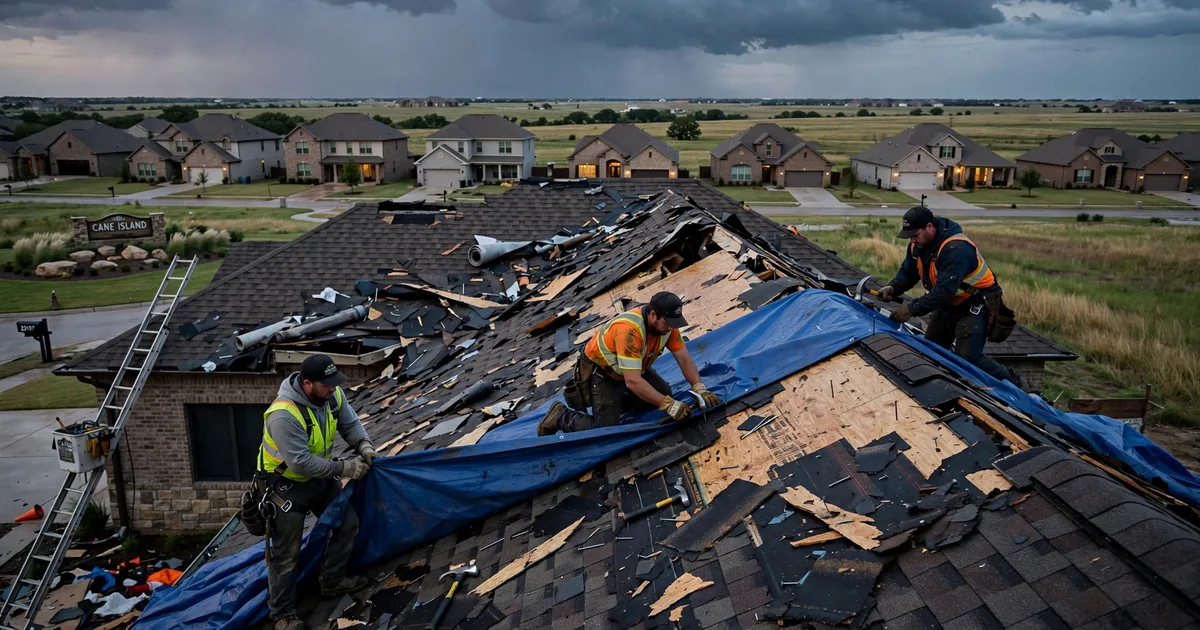
Call now at (619) 775-3787 when the roof fails in Cane Island. Keep the phone nearby after the call. The independent roofing specialist serving Katy calls back to confirm the visit window and asks for photos of the damage when available.
After-hours calls from Cane Island get the same triage as daytime calls. Crews tarp in daylight, so a night call usually means containment steps now and a crew at first light. The connection team explains the timeline on the call.
Have the basics ready: street address, the rooms showing water, and the time the damage started. Photos of stains and exterior damage from the ground speed the triage for Cane Island callers. Never climb onto a damaged roof for a closer look.
Summary: Call now, contain the water inside, and let the specialist handle the Cane Island roof.
A roofing emergency in Cane Island is active water entry through the roofing system. Roof valleys concentrate runoff, and storm debris clogs the channel. Backed-up valley water pushes sideways under shingle edges, past the underlayment.
Valley failure in Cane Island shows as water entering near the middle of the house, below where two slopes meet. Debris dams of leaves and shingle granules mark the clog point.
A slow seep in Cane Island that stops when the rain stops still needs repair, but it differs from water pouring in during a storm. Emergencies get tarps; non-emergencies get scheduled repair visits.
Before help arrives in Cane Island, protect the interior and document the damage. The crew handles the roof; the homeowner handles everything under it.
Do not attempt a DIY tarp on the damaged Cane Island slope. Emergency tarps need secure anchoring and safe roof access, both jobs for the crew with the right equipment.
Once the Cane Island interior is secure, the city-level process takes over: urgent roof help across Katy.
Summary: One call starts the two-stage process for Cane Island: stop the water, then fix the roof.
The Katy page covers city-wide emergency roof repair topics, pricing factors, and scheduling for every neighborhood including Cane Island.
The same emergency roof repair service covers these nearby neighborhoods. Each area page details local roofing concerns.
An active leak needs the visible symptom, timing and recent weather described clearly by phone.
Cane Island emergency roof repair questions focus on response speed, what to do before help arrives, and tarping.
Be home for the first Cane Island visit when possible: the specialist needs interior access to trace the water entry and your approval on the repair plan. Exterior tarping proceeds without you present when gate and attic access are arranged in advance.
In Cane Island, faded shingles, moss, and slow cosmetic wear are maintenance, not emergencies. The emergency line is for water entering the home, holes through the decking, and slope sections missing after wind.
Permanent repairs need dry decking, so steady rain pushes the repair day out. Tarping happens between rain bands whenever crews reach the roof safely. In Cane Island, the tarp goes on first and the repair follows at the first dry window.
Secure the roof first in Cane Island, then call the insurer. Emergency mitigation protects the claim instead of hurting it, and the specialist documents the damage for the adjuster.
A properly secured tarp protects a Cane Island roof for several weeks, long enough to schedule the permanent repair. It is temporary protection by design: sun and wind wear the sheeting down, so the repair plan moves forward without delay.